When you're starting a paint project you once again have a few options. If this is the case, you can usually sand down the paint on the car, smoothly and evenly, and paint over it using most of today's modern paints. Don't forget that some new cars get damaged and spot-painted—sometimes even body-worked—at the dealer before being sold.
Hopefully such work has been done properly, with good catalyzed paints, primers, and sealers. If so, it can be painted over like the rest of the car. If not, you probably won't know it until it wrinkles or lifts while you're painting the car.
So some painters suggest not stripping the vehicle to bare metal (especially inside-and-out, as in immersion stripping), so that you don't remove these tough factory undercoats. It pertains to older vehicles, or ones that you know have been damaged and bodyworked. If the surface is shiny and fresh, and you want to repaint it, I can only assume you just bought the car and paid for a paint job you didn't want. Don't compound the issue by immediately stripping this paint off only to find what you consider to be an excessive amount of filler underneath.

Lots of good paint jobs, even by big-name builders, have filler under them. It's the most expedient way to get a super-straight show-winning body and paint job. But the majority of these cars are stripped to bare metal to begin with, metal-worked pretty close, and then the filler and other undercoats are added properly.
If you strip all this off, you're just erasing several man-hours of work that have to be repeated, either by you or someone you'll have to pay big bucks by the hour. If somebody has already spent a lot of time bodyworking, priming, and sanding the car, you'd be nuts to strip all that out and do it over again, right? Now, if there's rust under there, or the filler's an inch thick, it's a different story. The body needs stripping to start, and more work after that.
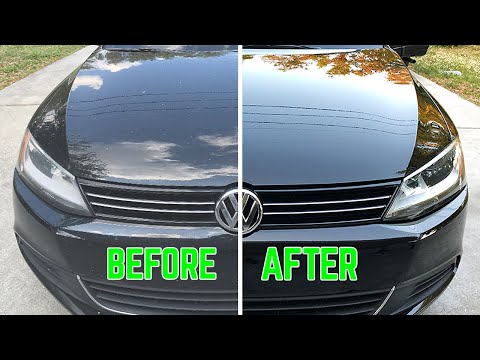
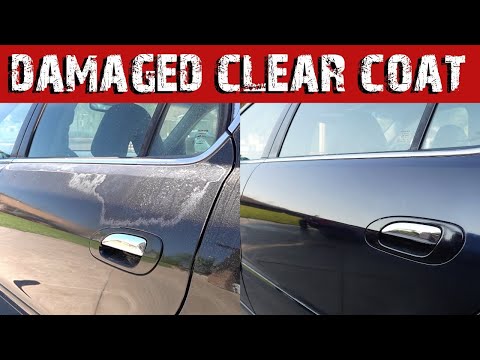
Suppose you recently received your car back from the body shop after repairs. Yes, an aftermarket paint job or repair can stand up to an automatic car wash just like the original OEM paint job can. The clearcoat paint finish requires time to fully cure - usually thirty days or more.
During that time, it is unwise to drive through an automatic car wash or to apply any type of wax coating that would prevent the paint from "breathing" while it cures. After a car accident, we put our trust into auto body shops to fix our vehicle accurately and in an efficient amount of time. Most often, we don't realize little things that auto body shops can be unscrupulous and dishonest during the repair process.
This is why it can be important to know a little bit about car parts and their average cost for your type of vehicle. At the assembly plant, your vehicle was painted along with a number of others from a paint formula that was mixed and prepared for those vehicles that day. There are many variables affecting the color tones and hue of that particular mixture. Although, paint application equipment is cleaned, the previous color formula pigments will carry-over into the next formula color.

Paint ingredient suppliers have slight variations in their pigments, and material cost drives frequent supplier changes. During the application process, humidity, application pressure, nozzle size, distance and angle to panel influence how the dried paint will appear. Body paint matching a vehicle is a skill that not all auto body shops can accurately achieve. Luckily, Ray's Automotive has years of experience color matching vehicles. A more complete paint job, which includes multiple coats of paint and basic wax, will probably cost $1000 or so for a similar car. If you want a truck painted with high-quality, manufacturer-exclusive paint and a ceramic coating, don't be surprised if the price tag reaches $5000 or higher.

For over 42 years, we have helped more than 20 million customers with their auto painting and collision repair services. We're your auto body paint shop whether you need a paint job for a car, truck or other auto vehicle. We are committed to making the experience easy with affordable prices while providing reliable services backed by our nationwide warranty. Come in today and let one of our expertly-trained technicians provide you a free estimate.

Metallic car paint colors are colors that have a sparkle to them originating from a finely ground metallic aluminum pigment. This metallic pigment gives paints a sparkle with numerous variations in sparkle size and brightness based on the type of metallic pigment used. Combining these metallic pigments with a wide range of transparent pigments yields thousands of distinctly different car paint colors. From an application standpoint, metallic paints can range from very easy to apply to more challenging depending on the color chosen. As a general rule, lighter colored metallic paints are more difficult to apply evenly than darker ones. Relatively speaking durability of metallic paints is good to excellent depending on the system used and color.
Metallic paints are often confused with metal flake paint which is a very different type of sparkling paint color that will be discussed later in more detail. To learn more about metallic paints visit our metallic paints page. To see these in-person purchase a hand sprayed chart in the color selectors area in the online store. The more you pay, the better the paint shop's preparation. As you move up the price ladder, shops will remove more trim pieces and items like the head- and taillamps. This ensures the pain will cover sharp bends in the sheetmetal and get into the crevices in the body where the older paint might have shown through.
In more expensive paint jobs, the prep will likely also involve sanding off the older paint, fixing exterior damage, and even removing glass. This adds time and money to the process, which is why something along these lines could cost $5000 or more. An aftermarket paint job will never match 100% in color. This is especially true with pearls and metallic paints. Also, red on older cars is a difficult color to match since panels facing the sky will most likely have an orangey hue due to weathering.

According to this report1, automotive paints and coatings are dominated by five mega players, two of which are U.S.-based. These companies, along with some additional global brands, likely produce a great bulk of the automotive body paints used by manufacturers. Smaller companies pick up the business for aftermarket services such as collision repair and automotive restoration, although the big companies are prominent here, too.

In addition, an automobile has many plastic parts both inside and out for which paints and coatings are continually being developed, creating a market for niche coatings. There are numerous specialties too – one manufacturer on the list makes paints and coatings for automotive wheels. The second—and usually better—option is to thoroughly sand whatever paint is on the car, then cover it with a good sealer followed by a modern catalyzed primer. However, most cars needing a paint job also have dings, door dents, scrapes, or other surface problems that won't simply sand out. If the paint on the car is multilayer, old, or otherwise edgy, give yourself extra insurance and add a coat of sealer before the primer.

Then you can use some catalyzed spot putty where necessary over the primer and start block sanding, as we detail in following chapters. Most of my early paint problems, when painting over existing finishes without stripping, occurred because I was using lacquer primer and lacquer paint. We talk more about this later, but lacquer solvents are extremely aggressive, and lift or wrinkle all kinds of underlying paints, especially older non-catalyzed ones, including old lacquer.
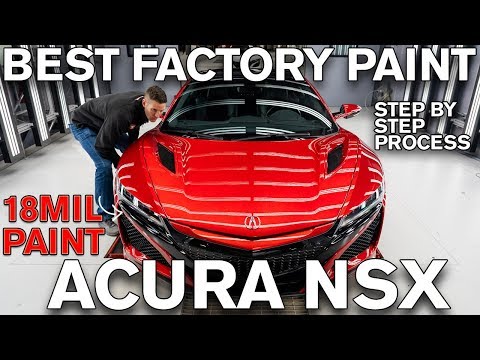
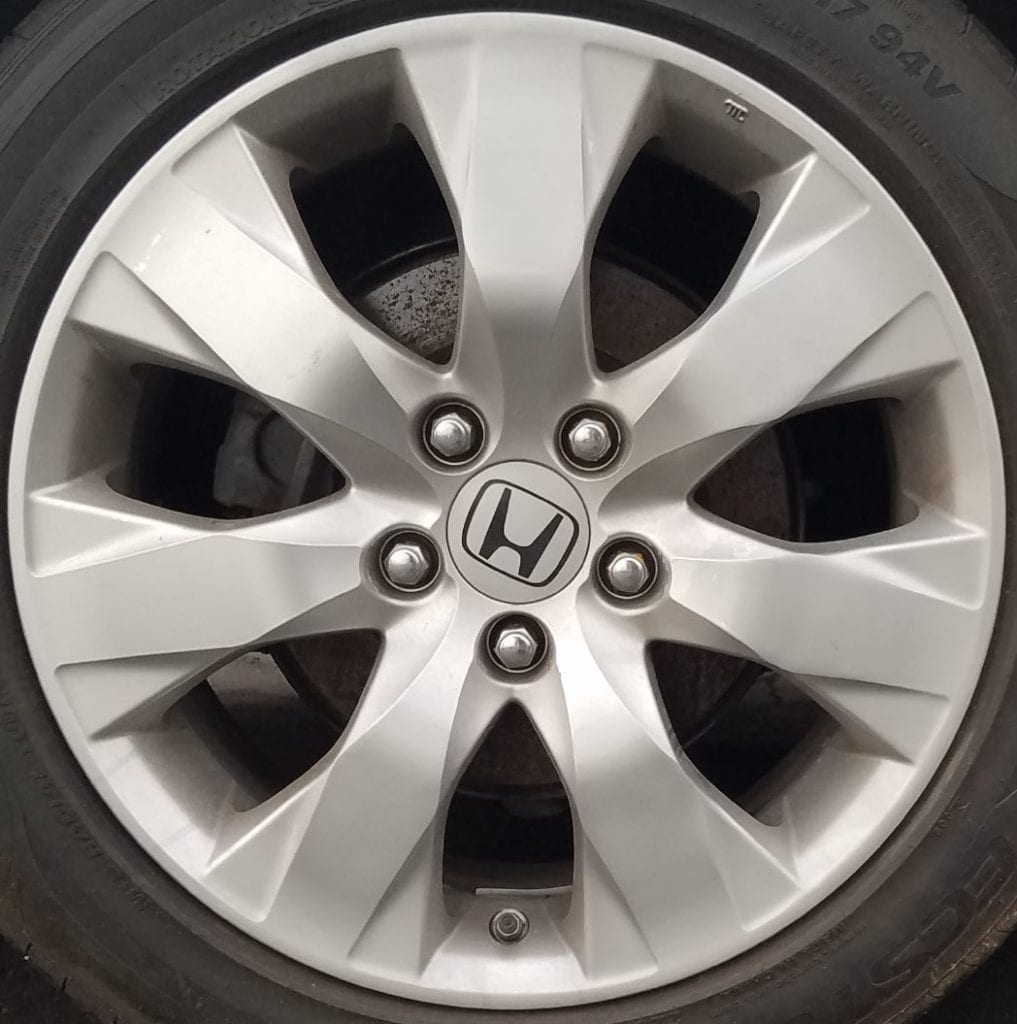
For both of these reasons, modern paints really are better, especially if you're spraying it over existing paint. Let us first break down car paint colors down into two general categories; custom paints and factory paints. Factory paints or Original Equipment Manufactur colors are those in which are used in the production of commercial vehicles being manufactured in mass quantities. Essentially, these are the paints that are being applied to assembly produced vehicles by brands such as Ford, GM, Chrysler etc. Custom car paints are basically those that are not factory paints. Generally speaking custom paints are made to be unique when compared to factory paints of the era.

There is a strong market of car and bike owners looking for colors the stand out and custom paints fill that need. Custom car paints range from "loud and proud" to subtle and sleek to fit a wide range of tastes. While custom paints may not be as easily attainable as factory paints, they are readily available and worth the effort if you are looking for a unique finish. Whether custom paints or factory paints there are numerous categories of paints as discussed above. These car paint colors offer unique looks due to a unique process to make a true candy effect. This process creates a sparkling color where the sparkle appears to be immersed in the color.
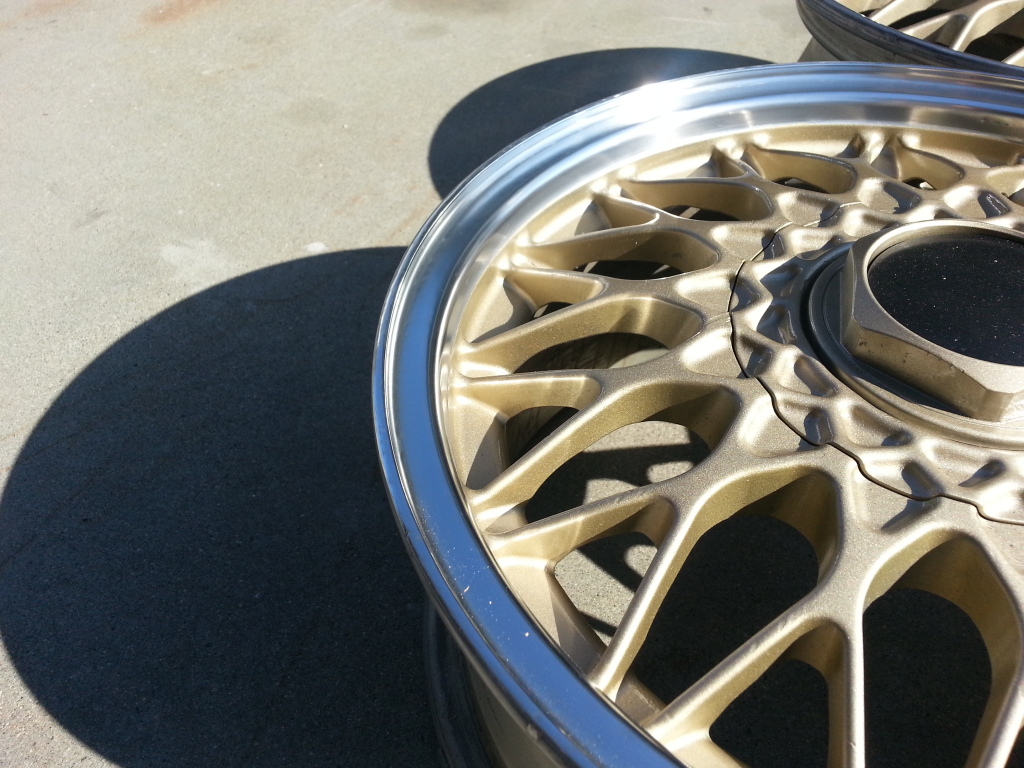
Candy colors are often referred to as "wet" due to the deep wet shine often obtained. A couple of drawbacks to true candy paints are that they are more difficult to apply and the durability can be substantially less than those of solid, pearl, or metallic finishes. To learn more about candy paints and see our candy offerings visit our candy paint page.

Is Factory Paint Better Prices for car painting depend on a few different factors – mainly prep work required, the number of parts and panels to be painted, and the quality of the painted used. When you request an estimate for a car painting, ask the auto repair shop to put the included surface prep measures in writing. You will want to assure that damage will be repaired or minimized before getting repainted and know exactly which parts will be painted. This may include fenders, the inside edge of the car door or under the hood.

Be sure that the estimate also includes a final clear coat for a long-lasting paint job. The sunlight has ultra-violet, and has absorbed some of the pigments. Blue metallic colors sometimes shift to a greener shade, and reds will turn pinkish or more orange. The auto body shop has to deal with matching an oxidized color in addition to new OEM colors. The new paint to be applied will look brighter and cleaner but the rest of the car looks dead even if you polish it. Pearl Paint Colors with colored shimmers are made by combining special pigments called pearlescent pigments with traditional transparent pigments.
Unlike metallic colors whose sparkle is based on a silver aluminum platelet, pearls are available in a wide range of sparkle colors and sizes. As such, pearl colors are said to have more "color depth" than the average car paint color. Pearl colors can be 2 stage where a pearl base color is applied then cleared or a 3 stage system where a solid base color is applied, then a pearl midcoat, and a protective clearcoat. In fact many light colored pearl colors such as white pearls require a specific base color underneath making them a true 3 stage color. On the contrast, darker and medium shades are well suited for 2 stage applications and often will cover or hide the surface beneath well.
The durability of pearl finishes is generally comparable to that of metallics colors. To learn more about pearl colors visit our pearl colors page in the colors menu above. Numerous auto makers offer factory matte finishes, and there's a trend toward matte paint in the automotive aftermarket.

Jeff Pabst, general manager of Pfaff Autoworks, has overseen the application of custom matte-paint jobs on many used cars. Many car painting services will offer to wax or seal your car's paint job at the conclusion of the project. A regular wax finish won't run you too much, but will probably add another $100 to $200 to the final price tag.
If you want the auto body service to use a ceramic coating or other, more specialized finishes, you can expect to pay even more. Google "how much does it cost to repaint a car," and you'll find that there are national chains that charge only a few hundred dollars to paint your car or truck. This might not be a bad option if you're on a tight budget. But know that there are plenty of potential pitfalls to slapping a cheapo paint job on your car or truck. For starters, the quality of the paint might not match what was originally used on your car. Most newer vehicles, for example, have a clear-coat finish that adds extra work to the repainting process if you want to do it right.

Add some repairs to exterior dings and small dents, and these steps can bump the price from several hundred bucks to well over a thousand. After Bugatti workers tighten the Veyron's last titanium bolt in eastern France, the company ships the car to Germany for painting. Auto body shops use a variety of techniques to match colors on a vehicle. To begin with, vehicles have a tag located somewhere on the vehicle indicating the paint color code. This allows the shop to see the most common formulas in the manufacturer's database of colors.
The painter chooses a color variant from the database and sprays a test panel on a 5"x7" metal or plastic card to be used side by side with a representative panel on the vehicle. Keep in mind, if the vehicle has been repaired previously, the vehicle may be two-toned from the previous shop. We have to decide how to make our repair blend with the majority color of the vehicle.

The costs to paint a car vary depending on where the work is done, the size and complexity of the vehicle to be painted, and the quality of the paint job itself. In general, expect to pay anywhere from $300 to upwards of $10,000 for a professional paint job. The upper end of that price is where we find metal flake, multi-colored, and custom paint jobs, so unless you're prepping your car for a show there's really no need to spend that much.
Many inquiring customers often wonder to themselves, "Why should I wrap my car instead of painting it? " A paint job can range from $3,000-$20,000+ depending on the quality and paint procedure. Whereas a quality vehicle wrap can cost $3,500-$6,000+ depending on the the material and extent of the project. Partial wraps such as roofs, hoods, chrome trim blackouts, and other accents are also a great way to get started in the wrap industry beginning at around $300 shop depending.
Along with this much cheaper price tag comes MANY benefits that paint cannot offer. Paint quality can vary especially whilst looking for a cheaper price. Cheaper paints will look great at first, but within a few years can show wear and tear resulting in the paint job needing to be redone. Professionally installed vehicle wraps will leave your vehicle with a breathtaking finish for years to be admired. Aside from this, there is also acrylic enamel auto paint. Known to have high quality, this type of paint achieves a hard finish the moment it dries.


No comments:
Post a Comment
Note: Only a member of this blog may post a comment.